Currently Empty: £0.00
January 4, 2025
0 Comments
What Is a Braai? Meaning, Food and How to Braai in the UK
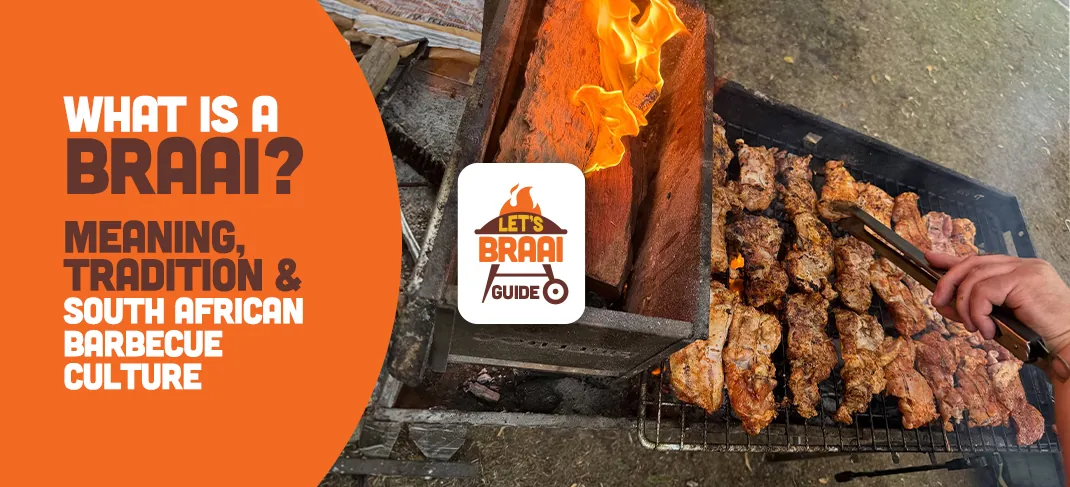
A braai is a South African social gathering built around cooking over a wood or charcoal fire. The word covers the fire, the grill and the whole tradition at once. You’ll see it written braai, braii or brai — same thing, and it’s pronounced “bry”, rhyming with “try”.
Ask a South African what a braai is and you’ll get a longer answer than you were expecting. That definition tells you about as much about a braai as “a hot drink made from leaves” tells you about tea.
I’ve braaied my whole life — growing up in Southern Africa, and now here in the UK. The thing that catches most British people out isn’t the food. It’s how long the whole thing takes, and that the length is the point. A BBQ finishes when the burgers are done. A braai finishes when everyone goes home.
So, what does braai mean?
Pronounced “bry” (rhyming with “try”), the word comes from the Dutch braden, meaning to grill. It’s short for braaivleis, which means grilled meat.
The braai barbecue started with the Afrikaner community. Today, it is an essential part of South African culture. You’ll also find people gathering around a wood fire across Namibia, Zimbabwe, and Zambia. Rain or shine, morning or night, it doesn’t matter. A South African barbecue isn’t just about cooking food. It’s about the people you share it with.
How Is a Braai Different from a BBQ?
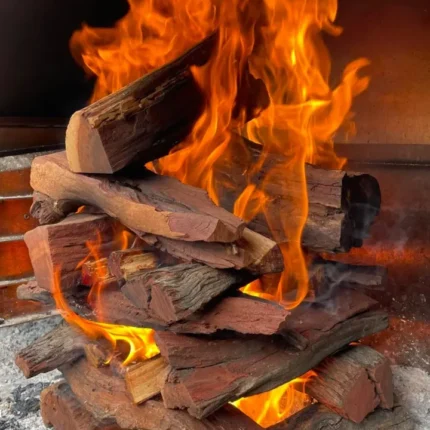
It all starts with making the perfect fire.
A traditional braai relies on a real wood fire, not gas or quick-light charcoal bags. Burning hardwood brings out the best flavours in the meat. Different woods produce different aromas, and the whole garden smells amazing while you wait.
Traditional Braai Food: What Food Is Cooked on a Braai?
You can throw almost anything on the grill, but these are classic staples when cooking steaks on braai:
Steaks & Chops: T-bones, fillet steaks, and juicy lamb chops are non-negotiable.
Boerewors: Traditional “farmer’s sausage” packed with spices like coriander and cloves.
Chicken Flatties: Spatchcock chicken cooked slow over low coals.
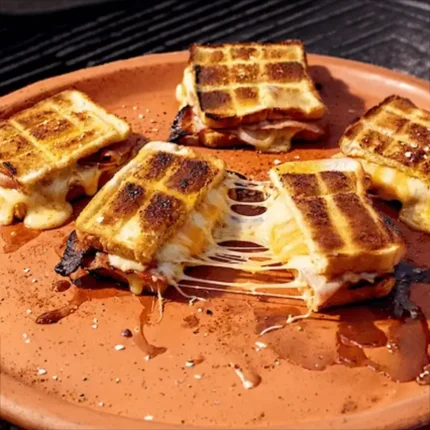
Braaibroodjies: Grilled sandwiches made over the fire with cheese, tomato, onion, and chutney.
Sides: Potato bakes, fresh seafood, and sweet corn on the cob. Or a potjie bubbling away beside the fire.
The Social Tradition of Braai
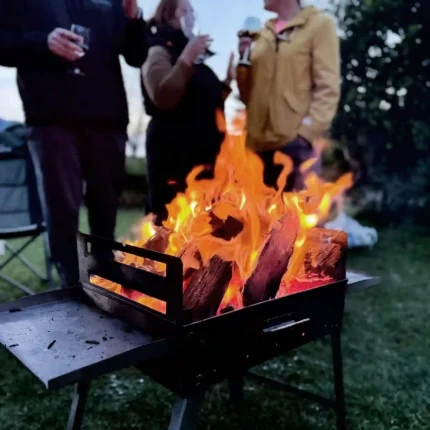
A UK BBQ is usually over once the burgers are cooked. But a braai barbecue is a long social event. Building the fire and getting good coals takes time. You sit back, sip a cold drink, and catch up. Even after the food is done, the coals stay hot. Guests gather around the fire late into the night, which is a major element of South African culture.
WHY WOOD AND FIRE MATTER
One of the defining features of a traditional South African braai is the use of real wood and fire. While many modern barbecues rely on gas, a braai is often built around hardwoods such as Kameeldoring, Sekelbos, Mopane or Rooikrans, which create long-lasting coals and a distinctive smoky flavour.
For many South Africans, creating the fire is part of the experience itself. The ritual of lighting the wood, waiting for the flames to settle and cooking over glowing embers is considered just as important as the food being prepared. The process brings people together and encourages a slower, more social approach to outdoor cooking.
Although charcoal is commonly used, wood remains the preferred choice for a traditional braai because it adds flavour, creates atmosphere and delivers the authentic experience that makes a braai unique.
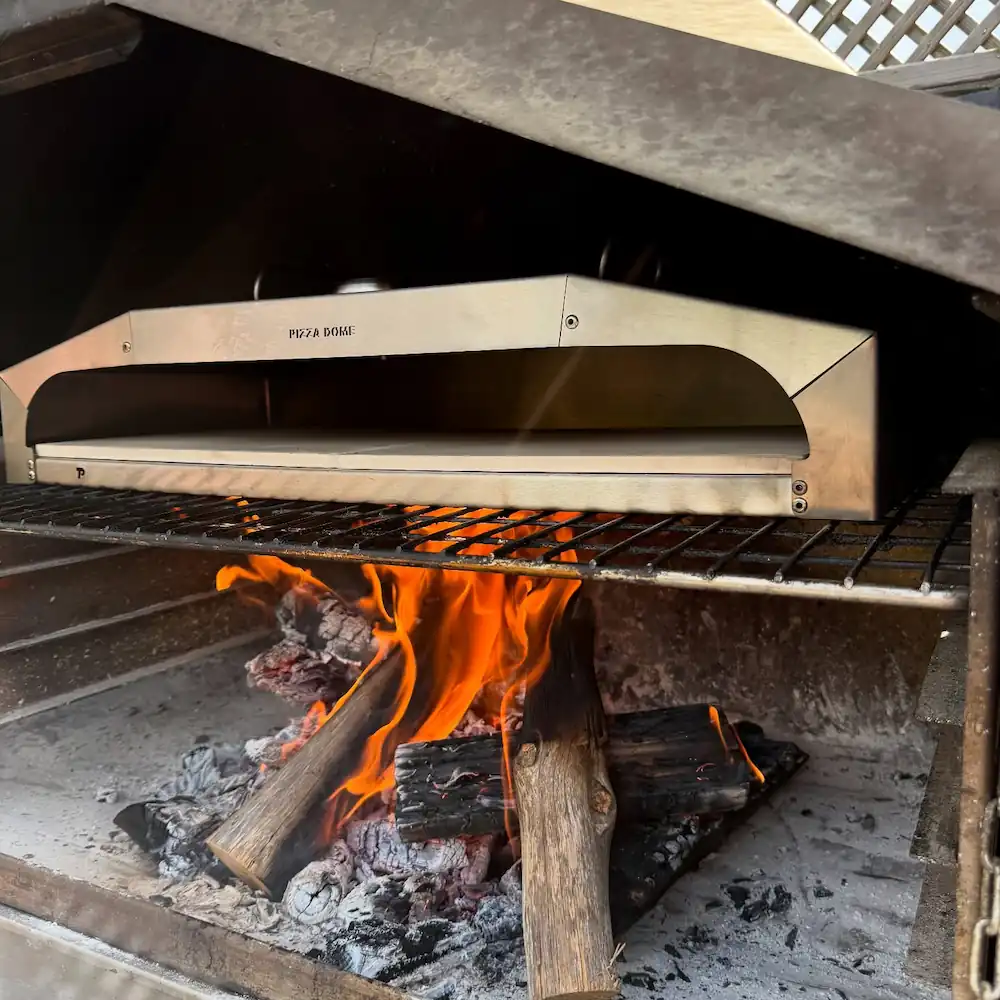
Getting hold of the wood is the hard part in the UK. You won’t find Kameeldoring or Sekelbos at a garden centre — it has to be imported, properly dried and certified before it’s legal to sell here. That’s the whole reason this business exists.
Have a look at the Southern African braai wood range, or start where most people do: Kameeldoring 10kg. It’s dense, it burns long and hot, and it’s the wood most South Africans in the UK ask for by name.
Not sure which wood you want? The complete UK braai wood guide walks through all four.
How to Host a Braai in the UK
Hosting a braai in the UK is easier than many people think. While the weather may be less predictable than in South Africa, the spirit of a braai remains exactly the same: good food, good company and cooking over fire.
Start with a quality wood or charcoal fire and give yourself enough time for the coals to develop properly. Typical braai favourites include boerewors, steaks, chicken, lamb chops and braaibroodjies, while salads and sides can be prepared in advance.
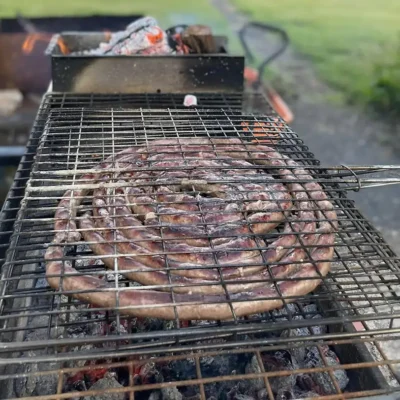

A successful braai is not rushed
Guests often gather around the fire while the coals develop, sharing stories, drinks and conversation before the cooking begins. This relaxed social atmosphere is one of the biggest differences between a braai and a conventional barbecue.
You also need something to braai on. A kettle BBQ will do at a push, but it’s built for lids-on indirect cooking, which is the opposite of what a braai is — open fire, open grid, meat over embers you can see. A proper braai unit gives you a fire bed deep enough to build real coals and a grid height you can actually work with. If you’re starting from nothing, how to light a braai fire like a pro is the piece to read next.
Where Does the Word Braai Come From?
The word “braai” (pronounced bry) has deep etymological roots in South Africa’s history, originating from the Dutch word braden, which translates simply to “roast.” As the Dutch language adapted and evolved into Afrikaans among early settlers at the Cape, the word was shortened and transformed into its current form. Today, it functions seamlessly as both a noun and a verb. You can invite friends over for a braai, and you can braai the meat once the coals are ready.
While its origins are strictly Afrikaans, the term has completely transcended language barriers to become a universally adopted word across all of South Africa’s official languages. It is never swapped for the word “barbecue” by locals, as a true braai represents a distinct cultural institution centered around a wood-fueled fire, communal gathering, and the shared heritage of the nation.
Every Fire Needs a Braai Master
The host is always the braaimaster in charge of building the fire and grilling the meat.
There’s a famous saying in South Africa: “Jy krap nie aan ‘n ander man se vuur nie.” It means “You don’t mess with another man’s fire!” So unless the braaimaster hands you the tongs, leave the wood alone.
If you watched South Africa with Gregg Wallace on ITV, you saw this passion firsthand. Gregg tried everything from skilpadjies (sheep liver wrapped in caul fat) to a rich kudu potjie stew cooked in a cast-iron pot.

What You Actually Need to Braai
If you’ve read this far you’re probably not asking what a braai is any more — you’re working out whether you can do one. You can. Here’s the honest list, in the order it matters:
- Wood. The one thing you can’t substitute. Southern African hardwood — Kameeldoring, Sekelbos, Rooikrans or Mopane. This is what makes it taste like a braai instead of a barbecue.
- Something to braai on. A braai unit with an open grid and a proper fire bed. Freestanding if it’s staying in the garden, mobile if it isn’t.
- Charcoal or kindling to get going. Restaurant-grade lumpwood if you want to get the fire moving quickly and finish on wood.
- The extras, once you’re hooked. A jaffle iron for the morning after, or a potjie pot and tripod for the long, slow stuff.
TRUSTED BY FIRE ENTHUSIASTS ACROSS THE UK
★★★★★
"What an awesome experience in dealing with Dan and Let's Braai recently when I purchased my braai. I wanted a braai that would last me 5 years, they sold me one that should last a lifetime!"
— Steven Green
★★★★★
"Dan was incredibly helpful from start to finish and made the whole buying experience seamless. It’s that familiar South African hospitality: friendly, efficient, and genuinely caring."
— Philip Scheepers
★★★★★
"Never could have imagined such a great experience. Winter was warm with great wood and the braai had the taste of home. Will surely recommend them to anyone missing South Africa."
— Jannie Myburgh
Source: Google Reviews
Braai FAQs
What does braai mean in English?
Braai is an Afrikaans word usually translated as barbecue. The meaning goes further than the cooking, though — in South Africa a braai is both a method (meat over wood or charcoal embers) and the social gathering built around it.
How do you pronounce braai?
Braai is pronounced "bry" — one syllable, rhyming with try, dry and fly. You’ll also see it spelled braii or brai, which are common misspellings rather than different words. The plural is braais.
What do South Africans call a barbecue?
A braai. The word is used across every language group in South Africa and locals almost never swap it for "barbecue" — a braai is understood as its own thing, not a regional name for the same event.
Is a braai the same as a BBQ?
Not quite. Both cook outdoors over heat, but a braai is built on wood or charcoal embers rather than gas, and the fire itself is the centrepiece of the gathering. The social side is considered as important as the food.
What wood do you use for a braai?
Dense Southern African hardwoods — Kameeldoring, Sekelbos, Rooikrans and Mopane. They burn down to long-lasting coals and carry the smoky flavour that makes a braai taste different from a standard barbecue. Softwoods burn too fast and too cool.